






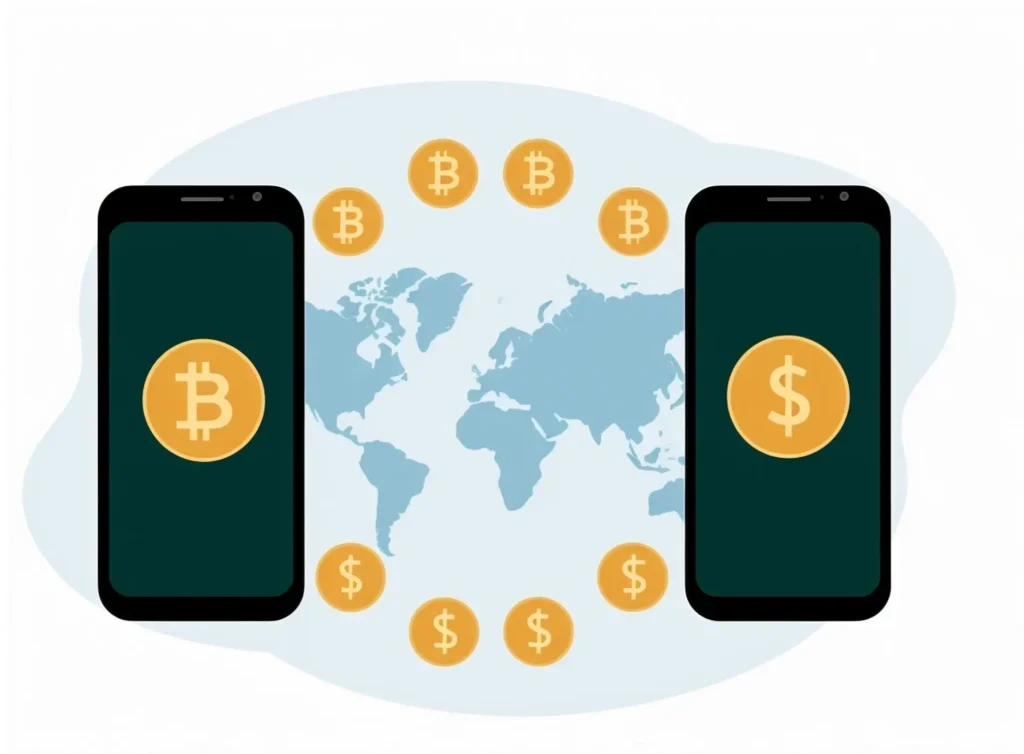
We are witnessing a pivotal moment in cross-border financial interactions, as PayPal’s PYUSD stablecoin emerges as a transformative player. This development not only enhances accessibility but promises to revolutionize the costs and efficiency associated with international transactions.
Importance of PayPal PYUSD in Global Trade
PayPal’s PYUSD stablecoin is set to significantly streamline international payments and reduce transaction costs. By leveraging blockchain technology, PYUSD offers a decentralized alternative to traditional banking systems, making it ideal for cross-border transactions. For businesses and consumers alike, this means faster payment processing times, lower fees, and enhanced monetary exchange efficacy. According to a recent report, the introduction of PYUSD aligns with the growing trend toward the adoption of stablecoins within the global digital economy, reflecting a shift towards more efficient financial ecosystems.
Moreover, stablecoins offer a level of price stability that can mitigate the volatility associated with cryptocurrencies. This stability can encourage more people to engage in cross-border transactions, facilitating a broader economic exchange between diverse markets.
Current Landscape of Cross-Border Transactions
The rise of digital payment solutions has created a dynamic environment for international transfers, with PYUSD at the forefront. Yet, several challenges remain in the existing landscape. Cross-border transactions often encounter high fees, long processing times, and currency conversion complications, which can hinder global trade.
As the market shifts towards embracing digital solutions, PYUSD stands out by tackling these inefficiencies head-on. The competitive landscape offers opportunities for businesses that adapt early to these changes, positioning themselves as leaders in their respective sectors. According to industry analysis, the transition towards stablecoins is influenced by a growing demand for faster and more affordable transaction methods.
PYUSD’s Expansion Across 70 Markets
PayPal’s strategic global rollout of PYUSD across 70 markets represents a substantial leap forward in making digital currencies accessible to a larger audience. This expansion increases accessibility for users in various regions, allowing them to send, receive, and hold PYUSD, which can facilitate cheaper cross-border transfers.
Given that PYUSD’s market value has grown to approximately $4.1 billion, this rollout adds momentum to the already competitive digital payments ecosystem. As reported, the token’s market capitalization has risen significantly, reflecting increasing confidence among users and investors alike in the utility of stablecoins for everyday transactions. This rapid growth fosters a more competitive environment, encouraging other financial institutions to innovate or risk being left behind.
Financial Implications of Stablecoins
The affordability of cross-border transfers using PYUSD offers significant implications for both individuals and businesses. Lower transaction fees mean that smaller businesses can participate in international markets without the prohibitive costs often associated with traditional banking systems. The added benefit of timely transactions allows for better cash flow management, making it easier for companies to operate globally.
With PYUSD’s recent growth in market capitalization, reaching approximately $4.1 billion, there are potential trends that indicate stablecoins could increasingly influence global economies. As they integrate into everyday transactions, stablecoins have the potential to reshape financial interactions, providing a bridge for emerging markets to engage more fully in the global economy.
Insights into the Future of Digital Economy
Looking forward, PYUSD is poised to reshape financial transactions in the long term. The integration of technology in finance, particularly through innovations like PYUSD, is set to further streamline payment processes and reduce friction in international trade. As businesses adapt, we might witness a significant shift in how financial transactions are conducted.
In this changing landscape, stablecoins might eventually see widespread acceptance in mainstream finance, with their characteristics making them appealing for various use cases, from microtransactions to significant international payments. The role of technology in this transition will undoubtedly drive further innovations, enhancing the overall efficacy of the digital economy.
Steps for Adopting PYUSD in Personal Transactions
For individuals looking to embrace PYUSD, starting the journey is straightforward. Users can open PayPal accounts to send money using the stablecoin. Here are some practical steps:
1. Create a PayPal account: Sign up on the PayPal website to gain access to PYUSD.
2. Buy PYUSD: Purchase PYUSD directly through your PayPal account.
3. Send and receive: Initiate transfers to friends or merchants who also accept PYUSD.
For businesses, integrating PYUSD into payment systems can position them strategically in the financial landscape. By doing so, businesses can not only stay ahead of the competition but also provide a modern payment option that customers increasingly seek. Embracing stablecoins can enhance their service offerings and improve customer satisfaction in a rapidly evolving digital economy.
About The Author




More Stories
Why Eliminating Capital Gains Tax Could Revolutionize Bitcoin Adoption
How Investors Are Using Yuan Stablecoins to Navigate Global Markets
Why Crypto Mortgages Are Set to Revolutionize Real Estate Financing